

Heat stroke is a medical emergency. At an outdoor sporting event, it can happen to an athlete pushing through a hot practice, game, or competition, but athletes are not the only people at risk. Parents, grandparents, younger children, band members, coaches, officials, volunteers, and fans may spend hours outside in direct sun and high temperatures. Anyone who becomes confused, collapses, has a seizure, loses consciousness, or shows another significant change in behavior or responsiveness after heat exposure needs immediate medical attention.
If you suspect heat stroke, call 911 and begin cooling the person as quickly as possible. Do not wait to see whether they improve on their own. Heat stroke can cause permanent organ damage or death without rapid treatment.
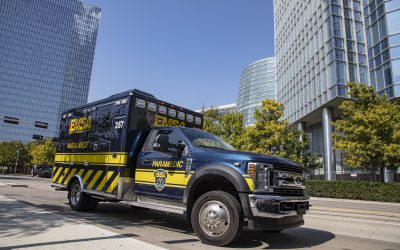
For nearly 50 years, EMSA has provided prehospital emergency medical care throughout the Oklahoma City and Tulsa metro areas. Our EMTs and Paramedics work in a high-volume emergency medical system and maintain the state and national credentials required for their roles, along with ongoing EMS education and additional required certifications. EMSA crews are trained and equipped to assess patients, monitor vital signs, begin appropriate emergency treatment, respond when a patient’s condition changes, and safely transport patients who need additional hospital care. EMSA also provides dedicated medical standby services for qualifying sporting events and other gatherings, placing an EMT, Paramedic, and ambulance on site specifically to respond to emergencies like heat-related illnesses within the event.
Why Outdoor Sporting Events in Oklahoma Can Be High-Risk Settings for Heat-Related Illness
Outdoor sports in Oklahoma can overlap with significant heat for much more of the year than people may expect. Spring baseball, softball, soccer, tennis, and track; summer camps and tournaments; and fall football, soccer, and cross-country can all take place during hot conditions. In May 2026, Oklahoma City temperatures reached 95°F, while on September 12, the temperature reached a record 106°F—21 degrees above normal for that date. By August 31, EMSA Paramedics had already responded to 428 heat-related illness calls in the Tulsa area and transported 278 of those patients to hospitals, but high heat is not limited to the middle of summer, which makes it important to prepare for the actual conditions rather than assuming a spring or fall event will be comfortable.
What’s more, the temperature in the forecast also does not tell you everything about the heat someone will experience at an outdoor sports venue. National Weather Service heat index values are calculated for shady locations with light wind, and exposure to direct sunlight can increase the apparent heat by as much as 15°F. Humidity, sunlight, wind, the amount of shade available, physical exertion, and how long someone remains outside all affect heat stress. An afternoon that seemed manageable based on the forecast can feel very different after an athlete has spent an hour on an open field or a spectator has spent several hours sitting in direct sun.
That exposure can affect people differently throughout the venue:
- Athletes generate additional body heat through physical activity, sometimes for extended periods or across multiple games. Football and other sports that require helmets, pads, or protective equipment can make it even harder for the body to release heat.
- Coaches, officials and sideline personnel may spend hours standing and moving outside with fewer opportunities to seek shade or air conditioning.
- Spectators and parents may add several hours of heat exposure through tailgating, walking from parking areas, sitting in sun-exposed seating, and remaining outside through an entire game or tournament.
- Event staff, volunteers and other participants may be outside before competition begins and remain long after athletes and spectators leave.
- Children, older adults, and people with certain medical conditions or medications may be more susceptible to heat-related illness.
Athletes have the additional risk of strenuous activity. People who exercise in hot conditions are more likely to become dehydrated and develop heat-related illness, particularly when they are not yet acclimatized to the heat or continue exercising despite early symptoms. Staying diligent about hydration, heat acclimatization, appropriate rest periods, and changes to activity as conditions worsen, as well as close attention to how athletes are feeling, can all help reduce that risk.
The same awareness is important for everyone attending the event. Someone can become dangerously overheated on the field, in the stands, along a cross-country course, at a sports complex, in the parking lot, or while walking back to the car after hours outside.
What You Should Do if You Suspect a Heat-Related Illness or Heat Stroke
Heat-related illness does not always begin with collapse or loss of consciousness. An athlete, coach, band member, parent, fan, venue employee, or other person who has been in the heat may first develop symptoms such as heavy sweating, headache, dizziness, nausea, muscle cramps, unusual weakness or fatigue, or feeling faint. These are signs that the body may be having difficulty coping with the heat and should not be ignored.
“One of the biggest mistakes people make with heat illness is trying to push through it,” says Riley Howard, a Paramedic and Community Engagement Manager at EMSA. “If someone is getting dizzy, weak, nauseated or just doesn’t seem right, get them out of the heat and start cooling them.”
Here is what to do if you suspect someone has a heat-related illness:
- If the person is awake, alert, and responding normally, stop their activity and get them out of the heat as soon as possible.
- Move them to shade, air conditioning, or another cooler area; loosen or remove unnecessary clothing or equipment; begin cooling with cold water, wet towels, ice, or air movement; and provide fluids if they are fully alert and able to drink safely.
- Stay with them and watch closely for any change in their condition rather than sending them off alone to “cool down.”
- Pay particular attention for the following signs or symptoms that can indicate heat stroke, a life-threatening medical emergency:
- Changes in behavior, thinking, coordination, or consciousness.
- Confusion or disorientation
- Unusual or irrational behavior.
- Staggering, difficulty walking normally, or collapse.
- Seizures, loss of consciousness, or difficulty waking.
A person with exertional heat stroke may still be sweating heavily, so sweating does not mean the situation is less serious.
- Call 911 immediately if someone exposed to significant heat becomes confused, disoriented, unusually agitated, unable to walk normally, has a seizure, collapses, loses consciousness, or is difficult to wake.
- Do not wait to see whether the person feels better after resting, drinking water, getting back to the car, or sitting in air conditioning. Heat stroke can cause permanent organ damage or death when treatment and cooling are delayed.
- While emergency help is being activated, continue cooling the person as quickly as possible and follow instructions from the 911 dispatcher, athletic trainer, EMT, Paramedic, or other medical personnel. Having someone activate EMS while others begin cooling gives the patient access to immediate first aid while an EMT and Paramedic are being sent to provide further assessment, treatment, monitoring, and transportation when needed.
Why Rapid Medical Response Matters for Heat-Related Illnesses
Heat-related illness can worsen quickly, especially when someone remains in the heat or continues physical activity. With heat stroke, the body’s temperature can rise rapidly, increasing the risk of organ damage, permanent disability, or death. Early recognition, immediate cooling, and prompt medical care can help stop that progression and improve the chances of a safer recovery.
“If someone in the heat becomes confused, unsteady, collapses, or isn’t responding normally, don’t wait to see if water or a few minutes of rest will fix it. Alert medical personnel or call 911 right away so they can be assessed and treated before the condition becomes more serious.” Riley Howard, Paramedic and EMSA Community Engagement Manager
Having trained emergency medical personnel on site can shorten the time between recognizing a problem and beginning professional care. EMSA’s dedicated medical standby service places an ambulance staffed by an EMT and Paramedic at qualifying events, giving organizers immediate access to personnel who can assess the patient, monitor vital signs, provide appropriate emergency treatment, watch for changes in their condition, and transport them to the hospital when necessary. Those capabilities can be especially valuable at outdoor games, meets, tournaments, races, and other outdoor sporting events where heat exposure may affect athletes, employees, volunteers, and spectators.
Prompt care is also important after the immediate emergency has passed. Someone who experiences significant heat illness may need time to fully recover before returning to strenuous activity or prolonged heat exposure, and athletes who experience exertional heat stroke should be medically cleared before returning to play. Proper recovery and a gradual return to activity can help address factors such as dehydration, inadequate acclimatization, or temporarily reduced heat tolerance that could otherwise increase the risk of another heat-related episode.
How to Reduce the Risk of Heat-Related Illness During Outdoor Sporting Events
Preventing heat illness takes preparation from everyone involved in game day. Players need protections appropriate for strenuous exercise, but fans and other participants should prepare for several hours of heat exposure as well.
- Arrive hydrated and continue drinking regularly. Do not wait until you are extremely thirsty.
- Acclimatize gradually to exercise in the heat, particularly during preseason practices and the first weeks of competition.
- Use scheduled water and recovery breaks based on the intensity of activity and environmental conditions.
- Adjust activity when conditions become more dangerous. Practice length, intensity, equipment, and work-to-rest ratios may need to change.
- Report symptoms early. Headache, nausea, dizziness, unusual weakness, cramping, difficulty concentrating, or feeling faint are reasons to stop.
- Pay attention to teammates. Confusion, unusual behavior, staggering, poor coordination, or an unexpected change in performance may indicate that someone is becoming seriously ill.
- Know where emergency cooling equipment is located and how the team’s emergency action plan will be activated.
For parents, fans and other spectators:
- Start hydrating before you arrive. Several hours of tailgating and game attendance can add up to significant heat exposure.
- Check the forecast and heat conditions, especially for afternoon and early-season games.
- Use shade, cooling areas, and air-conditioned spaces whenever they are available.
- Take breaks from the heat rather than remaining in direct sun for the entire event.
- Wear lightweight, loose-fitting clothing appropriate for the conditions.
- Limit alcohol, particularly during extremely hot conditions, and continue drinking water.
- Pay closer attention to children, older adults, and anyone with medical conditions or medications that may increase heat risk.
- Know where medical help is available. Look for first-aid stations, athletic trainers, security or event personnel, or an on-site EMS crew before an emergency occurs.
- Do not ignore early symptoms. Weakness, dizziness, nausea, headache, heavy sweating, or faintness are reasons to get out of the heat and begin cooling.
For everyone before leaving the venue:
Heat exposure does not end at the final whistle. Parking areas, sports complexes, fields, and other sporting venues can remain extremely hot, and fans may still have a long walk to their vehicles after spending several hours outside. If someone already feels weak, dizzy, nauseated, confused, or unusually exhausted, do not assume they simply need to make it to the car. Get somewhere cool and seek medical assistance when needed.
EMSA: Trained and Equipped to Respond to Heat-Related Emergencies in Any Season
EMSA’s EMTs and Paramedics work in one of Oklahoma’s busiest prehospital emergency medical systems, serving more than 1.1 million people across the Oklahoma City and Tulsa metropolitan areas. Our field clinicians maintain the state and national credentials required for their positions, complete EMSA’s system-specific training and credentialing requirements, and continue their EMS education throughout their careers. Moreover, EMSA’s high-volume system gives our crews regular experience assessing and treating patients whose conditions can range from relatively minor illness or injury to cardiac arrest, major trauma, respiratory emergencies, and other immediately life-threatening conditions.
Whether responding to a 911 call or working a dedicated medical standby, EMSA crews arrive with an ambulance, monitoring and emergency medical equipment, communications technology, and the clinical training needed to begin care where the emergency happens. For someone developing severe heat illness, that means an EMT and Paramedic can assess the patient, monitor for dangerous changes, provide appropriate treatment and stabilization, and continue care on the way to the hospital when transport is necessary. If someone at an outdoor sporting event becomes confused, collapses, has a seizure, loses consciousness, or shows other signs of possible heat stroke, call 911 immediately and begin cooling while help is being activated.
Other News and Articles From EMSA
Do I Need an Ambulance? When to Call 911
If someone is unresponsive, is not breathing normally, has severe trouble breathing, shows signs of a heart attack or stroke, has uncontrolled...

EMSA Announces 2026 Stars of Life
TULSA & OKLAHOMA CITY, Okla. (Sept. 30, 2026) – EMSA is proud to announce EMSA Eastern Division Paramedic Shawn Burch and EMSA Western Division...

Everyday Heroes: Tulsa Tennis Players Serve Lifesaving CPR
TULSA, Okla. (Aug. 24, 2026) — When several members arrived at the Tulsa Tennis Club on a Thursday evening in April, nothing was out of the...

EMSA Transport Rate Update / Treatment in Place Fact Sheet
EMSA Transport Rate Update / Treatment in Place Implementation Fact Sheet EMSA will update its transport rates and introduce a Treatment-in-Place...

EMSA Releases 2025 Annual Report: Driven by Purpose – Powered by Values
TULSA/OKLAHOMA CITY, OK (March 26, 2026) – EMSA has released its 2025 Annual Report, Driven by Purpose – Powered by Values, highlighting a year of...

EMSA Earns Perfect CAAS Reaccreditation Score
TULSA/OKLAHOMA CITY, OK (Dec. 4, 2025) - EMSA, Oklahoma’s largest provider of pre-hospital emergency medical care, has once again earned national...